
How To Prepare Your Child For A Private School Interview

To prepare your child for a private school interview, research the school's programs and values in advance, then practice common questions using a situation-action-reflection structure. Keep sessions short to avoid over-scripting. Choose neat, school-appropriate clothing, arrive early, and help your child practice basics like greeting the interviewer, listening carefully, and answering clearly. Parents should also expect their own interview. Each piece of this process connects, and there's more to know about getting it right.
Key Takeaways
Practice brief roleplays using familiar, open-ended questions to build confidence without over-scripting or producing rehearsed, unnatural responses.
Prepare four core stories covering a proud achievement, overcoming challenges, personal hobby, and key strengths before interview day.
Practice simple interview basics, such as greeting the interviewer, waiting for directions, listening carefully, and answering in complete thoughts.
Choose clean, school-appropriate clothing, avoid distracting logos, and plan to arrive at least ten minutes early.
Encourage concrete, specific answers that link personal interests to particular school programs, demonstrating genuine enthusiasm and community fit.
Private School Interview Prep At A Glance
| Interview Area | What To Practice |
|---|---|
| Student Questions | Favorite subjects, interests, strengths, challenges, and why they want to attend the school. |
| Parent Questions | School fit, family values, learning needs, and what your family is looking for in a school. |
| School Research | Programs, values, campus culture, activities, and specific reasons the school feels like a good fit. |
| First Impression | Greeting the interviewer, listening carefully, answering clearly, posture, and polite conversation. |
| Final Prep | Short roleplay, outfit check, arrival time, directions, and any documents the school requested. |
What LA Private Schools Actually Look for in Interviews

When it comes to private school interviews in LA, grades and test scores are only part of the picture. Schools want to see intellectual curiosity, how your child approaches challenges, asks questions, and engages with ideas beyond the classroom.
Interviewers also assess emotional maturity, paying close attention to how your child communicates, listens, and interacts with adults. Private school interviews often give admissions teams a chance to see how a child communicates, listens, and responds in a new setting.
Beyond academics, schools look for students who can articulate their values, interests, and how they'd contribute to school life. It's not just about what the school offers your child; it's about what your child brings to the community. Working with an experienced consultant can help your child develop comprehensive storytelling skills that weave together their academic achievements, personal values, and unique experiences into a compelling narrative.
Strong manners, genuine enthusiasm, and the ability to connect personal interests to the school's specific programs all leave a lasting impression. Schools also place significant value on a student's eagerness to participate in sports, arts, and clubs as a sign of genuine investment in the school community.
Recommendation letters and essays also play a supporting role in shaping how interviewers understand a student's character and personal qualities before the conversation even begins.
Research the School Before You Walk in the Door
Walking into a private school interview without preparation is like showing up to a test you haven't studied for, avoidable and unnecessary.
Understanding the school's ethos before arrival helps your child speak confidently and authentically. Here's how to research effectively:
Visit the official website to review the mission, vision, academic programs, and accreditations.
Read recent news and announcements to identify recurring priorities like innovation, arts, or diversity initiatives.
Follow social media accounts on Instagram, YouTube, and LinkedIn to observe student life and campus culture firsthand.
Attend open houses or tours for direct campus observations, noting how teachers engage students and how spaces are used.
Concrete knowledge transforms generic answers into memorable, specific responses that impress interviewers. Be sure to check the school's website for its dress code policy so your child can arrive dressed appropriately and feel at ease from the moment they walk through the door.
You can also speak with current families when possible to get a clearer sense of the school’s culture. Working with an admissions consultant gives your family access to knowledge of deadlines and application requirements that are difficult to find through public research alone.
An experienced admissions consultant can also help identify the appropriate match between school and family, ensuring the environment truly supports your child's academic and personal growth.
A-List’s K-12 admissions consulting is led by Carolyn White, a former Associate Director of Admissions at Crossroads School, giving families guidance from someone who has evaluated students and families from inside the admissions process.

Preparing for a private school interview in Los Angeles?
A-List Admissions & Tutoring can help your child practice with confidence while helping parents understand what schools are really looking for.
Coaching Your Child Through Common Interview Questions
Most private school interviews follow predictable patterns, and that's actually good news for your child. Common questions fall into familiar categories: personal interests, favorite subjects, challenges faced, and reasons for applying. Once your child recognizes these patterns, answering feels far more natural.
Focus your coaching on storytelling practice. Help your child build simple, specific answers using a situation-action-reflection structure. For example, if asked about a struggle, they should describe what happened, how they responded, and what they learned. That final step shows emotional resilience, which interviewers genuinely value. Working with an experienced consultant can provide knowledge on interviews that helps your child walk in already knowing what to expect.
Encourage your child to avoid vague answers. "I like math" is weak. "I like math because solving problems feels like a puzzle" is memorable. Concrete examples from school, sports, or home life always strengthen any response. Interviewers also use these conversations to evaluate community fit and determine how likely a student is to thrive within their school environment.
One highly effective strategy is to prepare four core stories around a proud achievement, an overcome challenge, a hobby, and personal strengths, which your child can reuse across multiple questions to simplify preparation and deliver confident, consistent answers. When preparing application materials, families should also have current academic records and recommendation letters ready, as schools may request these documents alongside the interview process to form a complete picture of the applicant, making it important to understand what documentation is required well in advance.
Practice Techniques That Build Confidence Without Over-Rehearsing
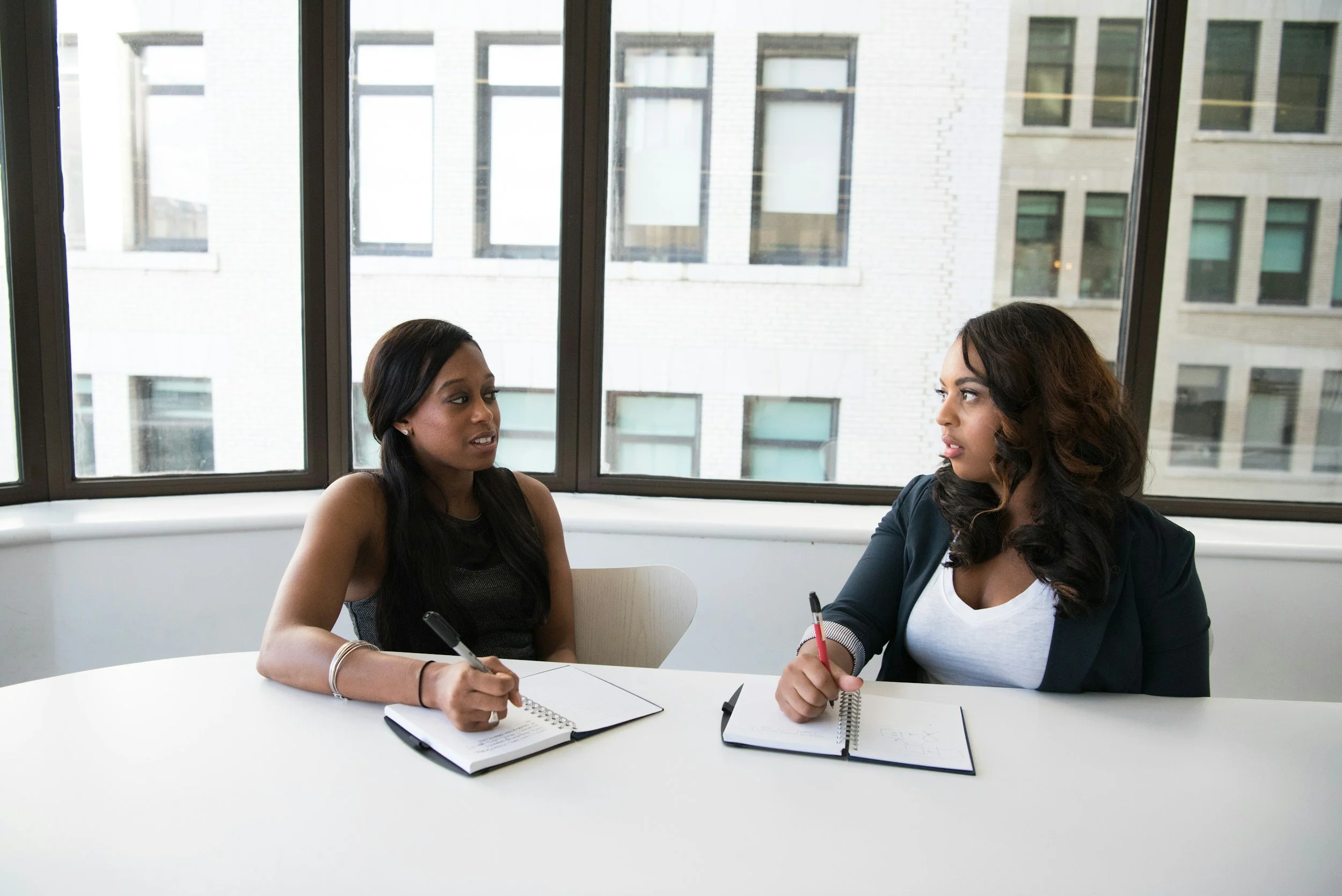
There's a real temptation to over-prepare, running your child through question after question until their answers sound polished, but that polish often works against them.
Interviewers notice scripted responses immediately. Instead, build confidence through short roleplays that keep things low-pressure and conversational.
Try these four approaches:
Keep sessions brief. End while energy is still positive so your child associates practice with success.
Vary question styles. Mix familiar, creative, and open-ended prompts to encourage natural responses rather than memorized ones.
Use a realistic setting. Two chairs and a calm tone simulate the real environment without adding stress.
Practice entry routines. Knocking, greeting, and sitting down normalize the interview flow before any question is asked. Teaching your child to ask permission before sitting, for example by saying "May I sit?", is a small habit that signals respect and self-awareness to interviewers immediately.
Alongside these techniques, encourage your child to practice good posture and eye contact, as strong non-verbal communication conveys confidence and friendliness just as much as the words they say. Working with a consultant who takes a whole child assessment approach can also help identify the social and emotional strengths your child should feel free to express naturally during the interview. If your child feels nervous, keep practice short and low-pressure so the interview feels familiar rather than intimidating.
What Parents Are Asked And How To Answer Honestly
Once your child feels ready for their part of the interview, it's worth turning attention to yours.
Schools frequently ask about family routines, your disciplinary philosophy, why you chose their school, and how your child handles challenges. Answer honestly, because admissions teams notice when responses sound rehearsed or exaggerated.
If your child has a learning difference or faced a difficult adjustment, name it directly, explain what support is in place, and connect it to why this school fits their needs. Avoid speaking negatively about their current school; instead, frame the move as a better match.
Keep answers specific and concise. A real example always strengthens a vague claim. Working with professionals who offer tailored application support can help you identify and articulate those real examples with clarity and confidence.
Schools aren't looking for perfection; they're looking for families who understand their child clearly and communicate that with confidence. Be prepared to speak to how your family plans to contribute, whether through the parents' association or support for school activities. A consultant with admissions office experience can help parents understand how schools evaluate fit, communication, and family engagement.
When discussing why you chose the school, highlight how its commitment to holistic education aligns with your family's values and your desire to nurture your child's academic, creative, and social-emotional growth.
Dress, Arrival Timing, and First Impression Basics
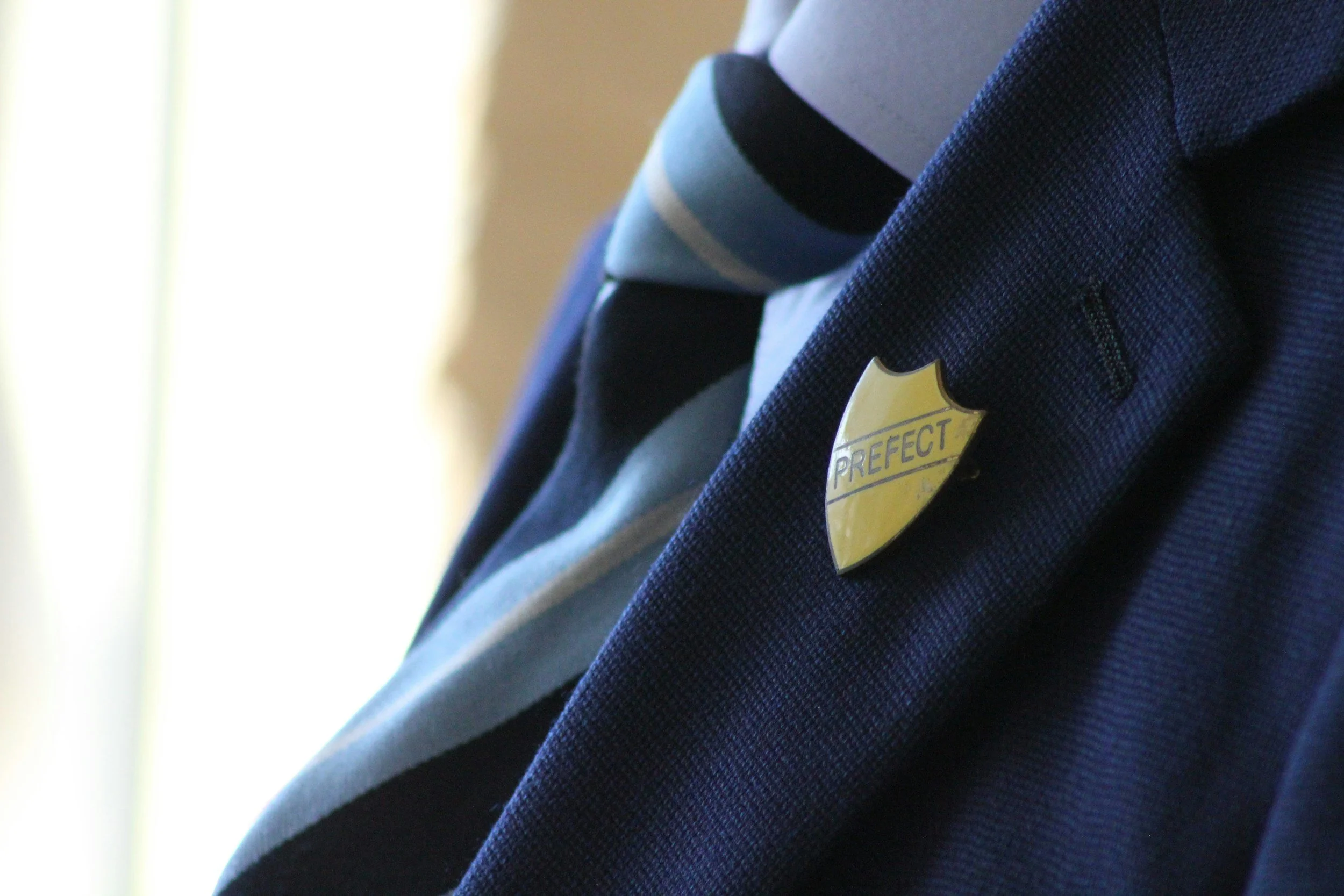
Dressing appropriately for a private school interview often matters more than parents expect. Schools want to see that your family takes the process seriously, and a polished appearance communicates exactly that.
Follow these four fundamentals before interview day:
Check the school's dress code on their website and dress at least as formally.
Choose conservative clothing, like a collared shirt, blazer, or modest dress, free of logos and wrinkles.
Select appropriate footwear, such as loafers, flats, or dress shoes, never sneakers or sandals.
Practice grooming fundamentals, keeping hair neat and accessories minimal.
Arrive at least ten minutes early. Pair punctuality with a firm handshake, steady eye contact, and a calm smile, and you'll start strong before anyone says a word. Starting the boarding school application process 12 to 18 months in advance gives your child ample time to prepare for every detail, including the interview. Working with consultants who have former admissions committee experience can also help your child understand exactly what interviewers notice from the moment a student walks through the door.
Interview Mistakes LA Private School Parents Make
Even well-prepared parents commonly derail a strong application by making avoidable mistakes during the interview itself. Inconsistent narratives are one of the most damaging, so review your application thoroughly before the interview to make sure your answers align with what you've already submitted. Schools use parent interviews to verify that your family's story is coherent and stable.
Avoid negative framing when discussing your child's current school or challenges. Blaming teachers or prior programs signals poor judgment, even when your concerns are valid. Instead, pair any concern with evidence of progress or constructive action you've taken. Working with consultants who have insider admissions knowledge can help you reframe challenges in ways that resonate positively with interviewers.
Also, research the school beyond its homepage. Generic praise won't impress anyone. Ask thoughtful, specific questions about culture and programs, and avoid anything that sounds transactional, like questioning tuition costs. Just as you would seek proof of expertise through references when evaluating a tutor, private school interviewers are equally assessing whether your family's values and engagement align with their community standards.
When to Use an LA Admissions Consultant for Interview Prep

Hiring an LA admissions consultant is not necessary for every family, but it can be helpful in certain situations
School-specific strategy: You're applying to multiple schools with different cultures, and generic answers won't cut it.
Child confidence: Your child struggles to talk about themselves naturally or freezes under pressure.
Parent interviews: You need help articulating family values, financial aid questions, or sibling legacy considerations beyond what's on the school's website.
Logistics and timing: You're managing several interviews close together and need a structured plan.
Consultants help your child sound authentic, not rehearsed, and they help you stay organized.
Most families begin working with a consultant in the spring, roughly 12–18 months before applications are due.
Helping Your Child Feel Ready For A Private School Interview
Private school interviews don't have to feel intimidating once you know what to expect. You've got the tools now to prepare your child thoughtfully, present your family authentically, and walk in with confidence. Focus on genuine preparation over perfect performance. Schools want to see who your child actually is, not a polished version of someone else. Trust the process, stay calm, and let your family's strengths speak for themselves.
Need help getting ready for private school interviews?
A-List Admissions & Tutoring can guide your family through interview prep, school research, and the larger admissions process.
Private School Interview FAQs For Los Angeles Families
What Questions Do Private Schools Ask In Interviews?
Private schools often ask about your child’s favorite subjects, interests, strengths, challenges, friendships, and why they want to attend that school. The goal is not to catch your child off guard. Schools want to see how they communicate, think, and respond in a conversation.
Should My Child Memorize Answers Before A Private School Interview?
No. Memorized answers usually sound stiff and unnatural. It is better to practice short, flexible responses using real examples from school, hobbies, sports, or family life. Your child should know what they want to say, but they should not sound scripted.
Do Parents Get Interviewed During The Private School Admissions Process?
Yes, many private schools include a parent interview or parent conversation. Schools may ask about your child’s learning style, personality, family values, school goals, and why you are interested in that campus. Keep answers honest, specific, and focused on school fit.
What Should My Child Wear To A Private School Interview?
Your child should wear clean, neat, school-appropriate clothing that feels comfortable and respectful. A collared shirt, simple dress, sweater, blazer, flats, loafers, or dress shoes can all work depending on the school. Avoid logos, distracting accessories, wrinkled clothing, and overly casual outfits.
Can An Admissions Consultant Help With Interview Prep?
Yes. An admissions consultant can help your child practice common questions, organize their thoughts, and feel more confident without sounding rehearsed. Consultants can also help parents prepare for their own interview and understand how the interview fits into the larger admissions process.