
ISEE vs HSPT: Which Test Does Your Child Need?

The test your child needs depends almost entirely on where they're applying. Catholic high schools typically require the HSPT, while many independent private schools accept the ISEE. Some Catholic schools accept the ISEE instead, so you can't assume. If your school list includes both types, your child may need to take both. Confirming each school's requirements by late summer keeps you ahead of deadlines, and there's more to weigh when deciding how to prepare strategically.
Key Takeaways
The school your child applies to determines which test they need: ISEE for many independent private schools and HSPT for many Catholic high schools.
Some Catholic high schools accept the ISEE instead of the HSPT, so verify each school's requirements before registering.
If applying to both Catholic and independent schools, your child may need to take both exams.
The ISEE rewards careful reasoning and vocabulary depth; the HSPT favors speed, grammar, and rapid decision-making.
A diagnostic exam helps identify which test better suits your child's strengths before committing to full preparation.
ISEE vs HSPT At A Glance
| Category | ISEE | HSPT |
|---|---|---|
| Commonly Used By | Many independent private schools | Many Catholic high schools |
| Typical Student | Students applying to private schools at different grade levels | Often 8th grade students applying to Catholic high schools |
| Main Focus | Reasoning, vocabulary, reading, math, and written expression | Verbal skills, quantitative skills, reading, math, and language |
| Pacing | Often rewards careful reasoning and accuracy | Often requires faster pacing and quick decision-making |
| Essay | Includes a written essay sent to schools | Usually multiple-choice |
| Best First Step | Confirm which schools on your list accept or require the ISEE | Confirm HSPT requirements directly with each Catholic school |
ISEE vs. HSPT: What's the Actual Difference?
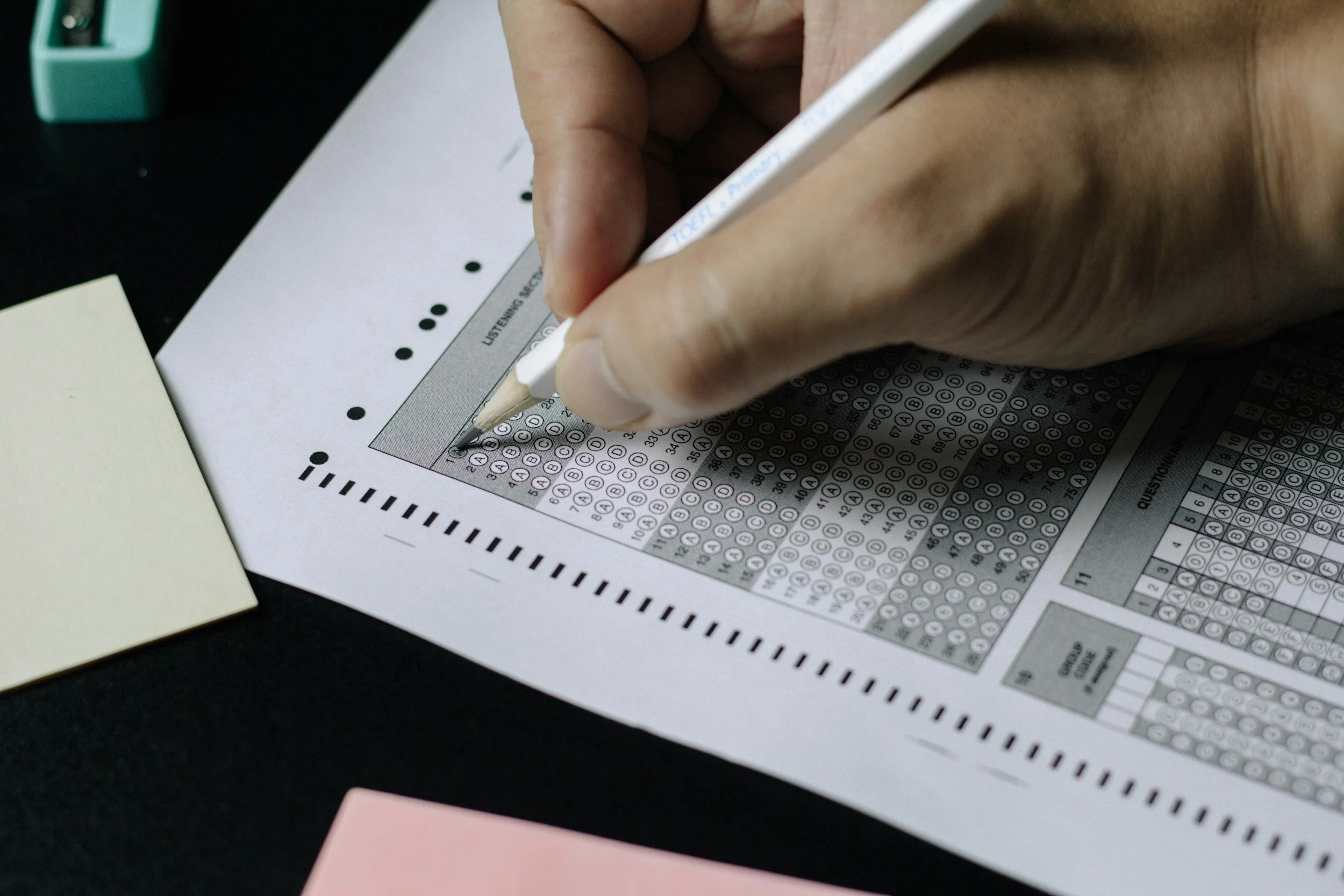
When comparing the ISEE and HSPT, the most important distinction comes down to which schools accept each test. The HSPT is primarily used by Catholic and parochial high schools, making it a highly specific option. If your child isn't applying to Catholic schools, you likely won't need it.
The ISEE, on the other hand, serves a much broader range of independent private schools, including day schools and boarding programs.
Beyond school acceptance, the two tests differ in their formats, scoring nuances, and available levels. The ISEE has different levels based on the grade a student is applying to, including Lower, Middle, and Upper levels for applicants to Grades 5-12. Understanding these differences helps you focus your child's preparation where it actually counts. Despite their differences, both exams test similar concepts in math and reading, meaning preparation for one often transfers well to the other.
Professional test preparation services focus on improving test-taking skills through targeted practice and personalized feedback, helping students build the confidence they need to perform well on either exam. Many students preparing for private school admissions opt to take a free diagnostic exam to identify their strengths and weaknesses before committing to a full tutoring program.
Working with experienced admissions professionals can provide insider knowledge of deadlines and preparation strategies that ensure your child is positioned for success well before applications are due.

Need help choosing between ISEE and HSPT prep?
A-List Admissions & Tutoring can help your family confirm testing requirements, start with a diagnostic exam, and build a clear prep plan.
Which Schools Require the ISEE vs. HSPT?
The school your child is applying to will almost always determine which test they need to take. Many Catholic high schools use the HSPT, but requirements vary by school. HSPT registration and score sharing policies vary by school or diocese, so parents should confirm directly with each Catholic school.
Independent, non-Catholic schools often follow a different path. Many require the ISEE or SSAT and may not accept the HSPT. Over 1,200 independent schools across the country recognize the ISEE, and regional patterns reflect this divide consistently. Regardless of which test your child takes, working with an experienced test prep tutor can help them build the strategies and confidence needed to perform their best on exam day.
If your child is applying to both school types, check whether the Catholic schools on your list accept the ISEE, some do, which simplifies the process considerably. In fact, certain Catholic high schools require the ISEE instead of the HSPT, so it's worth confirming each school's specific requirement before your child begins preparing.
How Do the Math and Verbal Sections Compare?
Both tests cover math and verbal skills, but they measure them differently, and those differences can matter a lot when you're deciding where to focus your child's prep time.
Here's how each section breaks down:
Verbal depth: ISEE emphasizes vocabulary depth and context-based inference, while HSPT adds analogies, antonyms, and classification questions.
Math reasoning: ISEE rewards conceptual problem solving approaches through quantitative comparisons; HSPT leans toward pattern recognition and number series.
Math difficulty: ISEE Upper-Level reaches early high-school algebra and geometry; HSPT stays more foundational.
Question variety: HSPT covers more question types overall; ISEE keeps verbal tasks to synonyms and sentence completions.
Neither format is inherently harder, they're just structured differently, so your child's strengths should guide your choice. Working with an expert can provide careful and expert guidance through the competitive admissions process to help determine which test best positions your child for success.
For students preparing for either exam, specialized test prep programs improve test-taking skills through practice tests, feedback, and targeted skill development to help achieve the best scores possible. One-on-one tutoring can help students build stronger test-taking habits because the feedback is specific to their pacing, mistakes, and skill gaps. Tutors with 20+ years of experience in admissions bring critical insight into what schools are looking for, helping students approach either exam with a clear and strategic advantage.
Which Test Fits Your Child's Strengths?
Choosing between the ISEE and HSPT comes down to three things: where your child is applying, how they perform under time pressure, and where their academic strengths naturally fall.
If your child thrives on speed and has strong language mechanics, the HSPT's fast-paced, grammar-heavy format may suit them well.
If their reasoning style leans toward careful analysis and context-based thinking, the ISEE is likely the better match.
Start with a cold diagnostic of both exams. The results often reveal which format naturally fits without the noise of preparation. Thorough diagnostic assessments can also identify specific strengths and weaknesses that point toward which test format will yield the strongest performance. After completing a diagnostic, students receive comprehensive score reports that provide a detailed analysis of performance and help guide the most effective tutoring approach.
Don't overlook school requirements either, if a school mandates one test, the choice is already made. When you do have flexibility, let your child's actual performance guide the decision.
The ISEE includes a written essay component that is sent directly to schools as part of the application materials.
Regardless of which test your child takes, working with expert test preparation support can help build the confidence and skills needed to achieve the best possible scores.
How Should You Prep Differently for Each Test?

Once you've identified which test fits your child best, the next step is making sure their prep actually matches the exam they're taking. Each test rewards a different skill set, so your timed strategy should reflect that.
ISEE prep focuses on reasoning, vocabulary roots, and careful error analysis to understand why answers were missed.
HSPT prep prioritizes speed drills, rapid decision-making, and practicing smart guessing after eliminating wrong answers.
Both tests require full-length timed practice to build stamina and expose pacing weaknesses early. Working with a tutor who uses a tailored tutoring program ensures that practice sessions address the specific demands of whichever exam your child is preparing for.
Error analysis should separate content gaps from timing mistakes, since targeted fixes are more efficient than reviewing everything.
Start with a diagnostic, then build your prep plan around what the results actually show. The HSPT contains approximately 300 questions overall, making rapid identification of easy versus time-consuming items one of the most important skills to develop before test day. Unlike the ISEE, the HSPT has no guessing penalty, so students should practice filling in answers even when time is running short.
When Should You Ask Schools Which Test They Accept?
The best time to ask schools which test they accept is early in the process, ideally by late summer before your target application year. Many schools update testing requirements on their admissions pages by late summer or early fall, so you can confirm requirements before your application timeline gets busy.
This matters because recommendation timing is closely tied to test prep. Teachers typically receive recommendation requests in early November, and you'll want your test registration locked in before then. Waiting too long creates overlap.
Visit each school's admissions or testing page first. If anything's unclear, call or email the admissions office directly. Consider building a simple table listing each school alongside its accepted test, it'll save you from scrambling later.
A-List Admissions & Tutoring recommends confirming testing requirements as soon as your school list starts taking shape, ideally before fall admissions deadlines begin.
Working with an experienced admissions consultant can help you manage timeline and testing strategy so nothing falls through the cracks during a busy application season.
When Does Taking Both the ISEE and HSPT Make Sense?

Most families only need one test, but if your school list includes both Catholic schools that require the HSPT and independent schools that require the ISEE, taking both isn't overkill, it's just practical.
Dual testing makes sense when:
Your list is mixed - some schools only accept HSPT, while private or boarding schools require the ISEE.
Strategic timing works in your favor - you can take the ISEE multiple times, but HSPT retake policies are more limited and school-specific, so families should confirm the rules before choosing a test date.
Your prep transfers well - both exams cover math, reading, and language, so studying for one builds skills for the other.
Score uncertainty exists - if one exam underperforms, the other may still meet a school's admissions threshold.
Working with an experienced admissions consultant can help you build a balanced school list that accounts for testing requirements across both Catholic and independent schools from the start. A seasoned consultant with a background in admissions counseling can draw on firsthand experience interviewing families to identify the right fit between a school and your child's unique academic profile.
Choosing The Right Test Starts With Your School List
Choosing between the ISEE and HSPT doesn't have to be complicated. Start by confirming which test your target schools accept, then assess your child's strengths honestly. If they're strong in vocabulary and logic, the ISEE might suit them. If they excel at quick, straightforward questions, the HSPT could be the better fit. If your school list includes both independent private schools and Catholic high schools, planning early gives your family more flexibility and helps avoid rushed test prep.
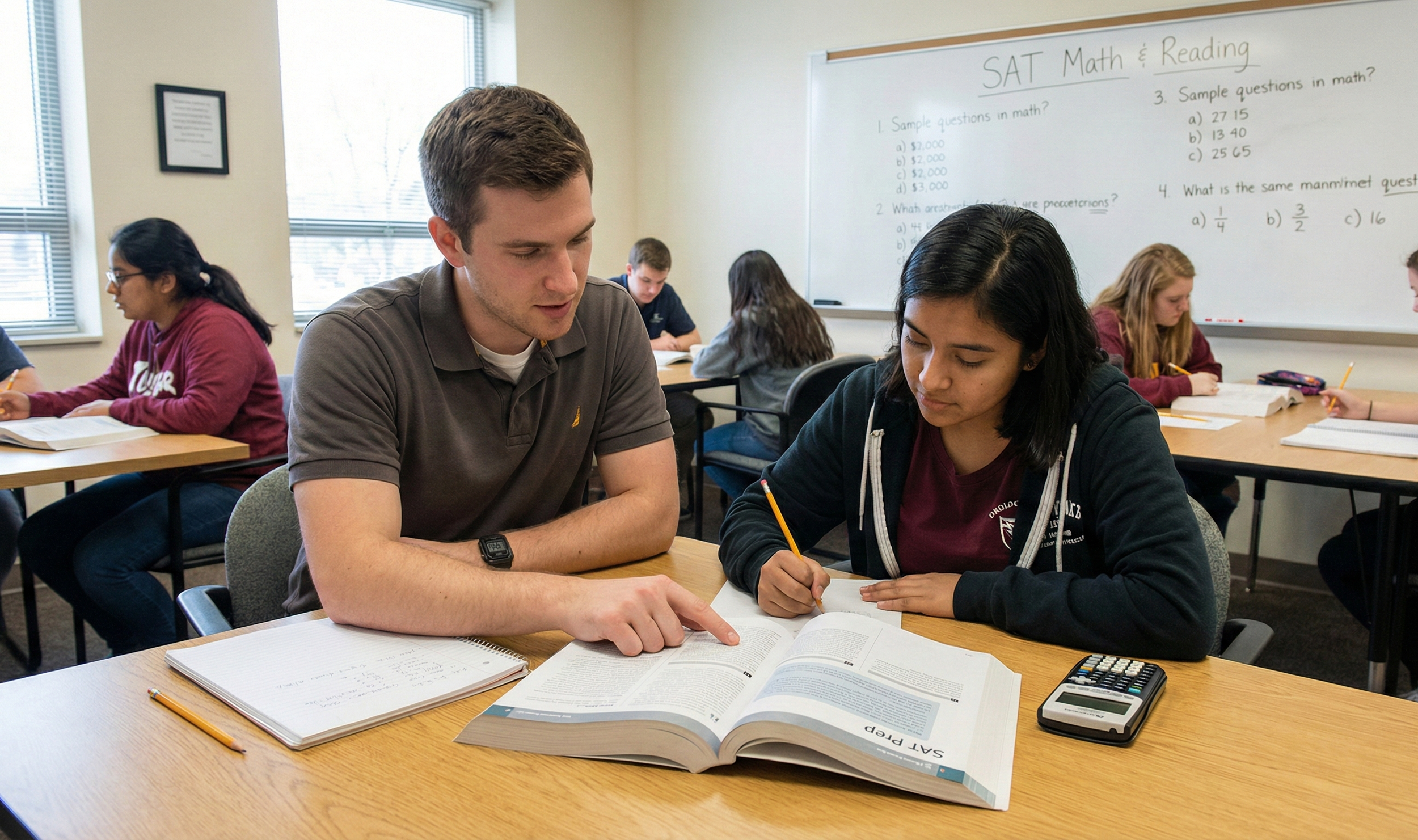
Preparing for private school entrance exams?
A-List Admissions & Tutoring offers personalized ISEE and HSPT prep to help students build confidence, improve pacing, and prepare for test day.
ISEE And HSPT FAQs For Los Angeles Families
Is The ISEE Harder Than The HSPT?
Neither test is automatically harder. The ISEE tends to reward careful reasoning, vocabulary, and multi-step problem solving. The HSPT is often more fast-paced and requires quick decisions across many questions. The harder test depends on your child’s strengths, timing skills, and the schools on your list.
Do Catholic High Schools In Los Angeles Require The HSPT?
Many Catholic high schools use the HSPT, but requirements vary by school. Some schools may accept another exam or have their own admissions process. Always check each school’s admissions page before registering. Do not assume your child needs the HSPT just because one Catholic school requires it.
Can My Child Take Both The ISEE And HSPT?
Yes. Taking both can make sense if your child is applying to a mix of independent private schools and Catholic high schools. Since both exams test reading, math, and verbal skills, some preparation will overlap. The key is planning early so your child has enough time to prepare without feeling overloaded.
When Should My Child Start ISEE Or HSPT Prep?
Most students should start prep in the spring or summer before fall testing. This gives enough time for a diagnostic exam, targeted practice, full-length practice tests, and pacing work. Starting early also leaves room to adjust the plan if your child needs more support in math, reading, vocabulary, or timing.
Should We Choose The Test Based On My Child’s Strengths Or The School’s Requirements?
Start with the school’s requirements. If a school requires one test, that decision is already made. If your child has options, then look at their strengths. A student who works carefully may prefer the ISEE, while a student who handles speed well may feel more comfortable with the HSPT.