
How Study Skills Affect Academic Success
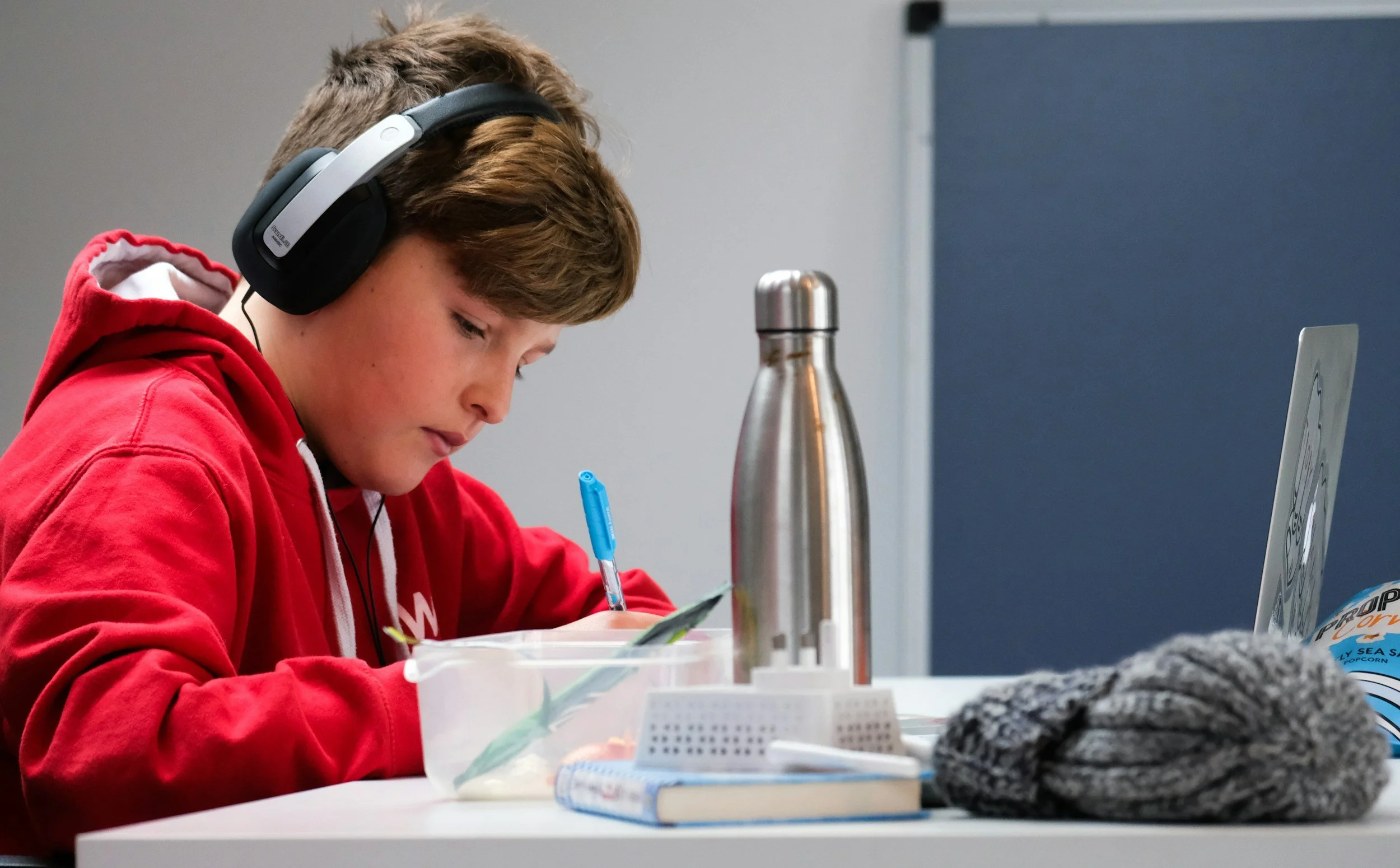
Study skills directly affect how well you perform academically and research on over 72,000 students found they're as predictive of success as standardized test scores and prior grades. They're not about intelligence; they're learnable techniques you can develop at any stage. Active methods like self-testing and spaced repetition greatly outperform passive habits like rereading. Strong study skills also reduce academic anxiety and build lasting confidence. Keep going to uncover exactly which strategies make the biggest difference.
Key Takeaways
Study skills rival standardized tests and prior grades in predicting academic success, according to a meta-analysis of over 72,000 students.
Active methods like self-testing and explaining concepts yield deeper engagement and better retention than passive strategies like rereading.
Active recall and spaced repetition can increase retention by 50% and significantly improve long-term memory performance.
Academic anxiety negatively impacts performance, while strong study skills build confidence through consistent, small academic wins.
Study skills transfer beyond academics, supporting career success through improved time management, organization, and problem-solving abilities.
What Study Skills Actually Are (And Why Most Students Get Them Wrong)

Study skills aren't some mysterious gift that only top students are born with, they're a specific set of learnable techniques for organizing, retaining, and recalling information. They've nothing to do with innate intelligence or natural ability. Anyone can develop them.
What confuses most students is mixing up study skills with subject strategies. Knowing how to solve calculus problems is a subject strategy. Knowing how to schedule your study sessions, take effective notes, and recall information under pressure, that's a study skill. One is field-specific; the other works everywhere. Many students in Sherman Oaks find that personalized tutoring helps translate these differences into practical routines.
You're probably getting this wrong if you've never examined your own study habits honestly. Most students default to passive methods like rereading, which feels productive but isn't. Real study skills require active, deliberate practice. These techniques span everything from time management and note-taking to memory strategies like mnemonics and visualization. Study skills manuals and instructional resources have actually been widely available since the 1940s, meaning structured guidance on these techniques has existed for decades. Many Los Angeles students benefit from personalized programs that tailor these methods to individual learning styles.
The Science Behind Study Skills and Academic Performance
What you might dismiss as "soft" academic advice actually has hard numbers behind it. A meta-analysis of over 72,000 students found that study habits, skills, and attitudes rival standardized tests and previous grades in predicting academic performance. That's not a small finding.
What makes this especially compelling is their cognitive independence, these skills operate largely separate from your baseline intelligence or test scores. Even high-ability students underperform without solid study habits supporting them. Small-group tutoring has been shown to boost learning when study skills are paired with targeted instructional support.
Academic anxiety, however, works against you as a consistent negative predictor. It's not just stress; it actively undermines performance.
Another large meta-analysis reported a pooled correlation of 0.519 between effective study practices and academic outcomes. Researchers now call study skills the "third pillar" of academic success, outperforming most other noncognitive variables measured. Research also shows that distraction during study negatively predicts exam performance, with students who reported lower distraction percentages consistently earning better scores. Affordable and flexible online tutoring options can help students implement these effective study practices.
Active vs. Passive Study Strategies: What the Research Shows

Not all study methods are created equal, and the gap between effective and ineffective ones is wider than most students expect. Passive strategies, like rereading notes or highlighting, let information pass through your brain with only a fraction sticking.
Active strategies, by contrast, build learning retention by engaging you directly with the material.
The difference comes down to study interaction. Passive learning flows one way, from the page to you, with little processing.
Active learning makes you question, self-test, and explain concepts in your own words, which forces deeper engagement.
Research backs this up. Carnegie Mellon studies show that discussions and interactive activities outperform traditional lectures.
Students using active review store information in long-term memory more efficiently and consistently score higher on assessments. Higher-performing students also rely on repetitive rehearsal techniques to reinforce material and build lasting recall.
Active learning also supports stronger critical thinking, helping students develop the confidence and analytical skills needed to perform well on projects and exams.
Consistent, targeted practice with a tutor can accelerate improvement and reduce failure rates, helping students move from lower grades toward higher achievement. Tutors with personalized learning plans can tailor practice to student needs and learning styles.
Which Study Skills Have the Biggest Impact on Grades
When it comes to improving your grades, not every study skill carries the same weight. Active recall and spaced repetition consistently deliver the strongest results. Retrieving information from memory rather than rereading it retains 50% more, and reviewing material at increasing intervals cements it long-term.
Pair these techniques with the Feynman Technique, which pushes you to explain concepts simply, exposing exactly where your understanding breaks down. One-on-one tutoring in subjects like English can further reinforce these methods by addressing individual gaps and building confidence through targeted practice personalized tutoring. Tutors with experience can tailor sessions to match each student's learning style and goals, highlighting the value of personalized learning.
Mind mapping and structured note-taking methods like Cornell also strengthen retention by organizing information meaningfully.
Effective time management ties everything together. Without it, even the best strategies fall apart. Set clear goal setting benchmarks for each study session, so you know what you're working toward. Adequate sleep over several nights has also been shown to directly improve grades, making rest a non-negotiable part of any serious study plan.
Combining these high-impact skills creates a reliable foundation for consistent academic improvement. Using tools like Google Drive and Notion helps you stay organised by managing your digital study materials in one accessible place, ensuring organised digital resources are always within reach when you need them most.
How Study Skills Build Long-Term Academic Confidence
How you study shapes more than just your grades, it shapes how you see yourself as a learner. Strong study skills build confidence gradually, through small, consistent wins. Mastering a single concept, finishing an assignment on time, or improving one grade boundary all signal that you're capable of more.
Confidence building happens naturally when you use active techniques like self-quizzing, flashcards, and explaining ideas to others. These methods reinforce knowledge and create a sense of control over your learning. Local tutoring in Sherman Oaks has shown that personalized tutoring can significantly boost understanding and engagement.
Independence development follows as you plan your own timetable, check mark schemes, and track your progress without waiting for external push. Over time, that confidence spills into class participation, question-asking, and tackling harder challenges, making you a more resilient, self-directed learner. Research shows that confidence predicts success more reliably than motivation alone, meaning the self-assurance you build through consistent study habits can carry you further than enthusiasm ever could.
Developing both hard and soft skills through study is not a coincidence, it is a natural outcome of consistent academic effort, since mastering technical content while navigating challenges simultaneously builds hard and soft skills that serve you far beyond the classroom. Tutoring programs with tutors vetted and experienced in diverse subjects also help by offering one-on-one support tailored to individual needs.
The Right Way to Train Better Study Habits
Distraction management matters just as much as effort. Choose a quiet, well-lit space, silence unnecessary notifications, and use focus apps like Forest to stay on track. Design your environment so studying feels easier than avoiding it.
Finally, track your progress and reward consistency. Small incentives tied to streaks keep motivation alive. Research shows that self-bribing techniques have been supported as effective motivational tools since the 1960s. Consider also consulting with a therapeutic educational consultant to align study habits with the student's broader emotional and learning needs. Many families find that working with therapeutic educational consultants in Los Angeles provides tailored strategies that integrate social-emotional and academic support.
Over time, these small, deliberate actions compound into lasting academic habits.
How Study Skills Prepare You Beyond the Classroom

Building strong study habits isn't just about getting better grades, it's about shaping how you think, work, and grow throughout life. The skills you develop while studying translate directly into lifelong learning, helping you adapt as industries evolve and new knowledge emerges. Many of our tutors model these habits in their own careers, drawing on real-world experience to show students how study skills apply beyond school.
Time management, organization, and problem-solving are career skills that employers genuinely value. When you meet study deadlines, track assignments, and push through difficult material, you're practicing the same habits that drive workplace success. Active recall sharpens your ability to retrieve expertise quickly, while goal-setting transfers naturally to career milestones.
Beyond work, strong study habits reduce stress, build resilience, and improve how you handle real-world challenges. Fundamentally, every effective study session is an investment in the person you're becoming. The A-List emphasizes imparting valuable study skills to students through personalized tutoring and admissions consulting.
How Study Skills Affect Academic Success
Study skills aren't a secret formula, they're a set of learnable habits that directly shape your academic outcomes. When you practice active recall, manage your time intentionally, and approach material strategically, you're building more than grades. You're building the capacity to learn anything. Start small, stay consistent, and trust the process. The students who succeed long-term aren't necessarily the smartest, they're the ones who've learned how to learn.